Where to buy bitcoin comes down to four routes: a crypto exchange, a payment app or broker that sells crypto, a Bitcoin ATM, or an exchange-traded product bought through an ordinary brokerage account. Before you choose, check three things: the provider is registered or licensed where you live, it shows its fees before you pay, and it lets you withdraw to a wallet you control. These checks remove avoidable risks; they do not make crypto safe.
This guide follows the decisions in order: route, custody, provider checks, costs, then the sale and the tax. It covers the US and the UK and says which country each rule belongs to.
Where to buy bitcoin: the four main routes
Crypto exchange. You open an account, verify your identity, pay in money, buy, and can usually withdraw the coins to your own wallet. A separate guide on what to check when choosing an exchange is in preparation.
Payment app or broker. PayPal, Cash App and Revolut are examples of apps that sell crypto next to ordinary payments or investing. They are convenient, but some let you move coins out and some only let you sell back inside the app. Check the current withdrawal rules before you buy. Our guide to buying crypto with PayPal will follow.
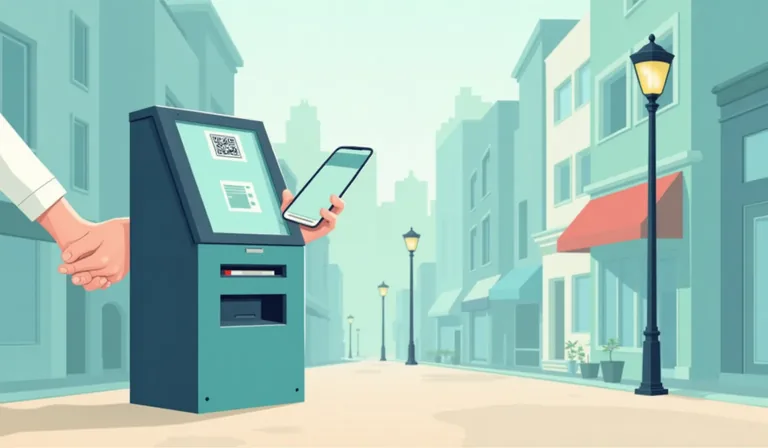
Bitcoin ATM. If you search for where to buy bitcoin near me, this is the in-person answer: you insert cash and the machine sends bitcoin to a wallet address. Charges can be high, and it is the route scammers push most. Read how Bitcoin ATMs work and what they cost first. In the UK, operating a crypto ATM without FCA registration is illegal.
Exchange-traded products. On 10 January 2024 the US Securities and Exchange Commission (SEC) approved the listing and trading of a number of spot bitcoin exchange-traded product shares. The SEC Chair added that the agency did not approve or endorse bitcoin itself. In the UK, the FCA lifted its ban on retail access to crypto exchange-traded notes that reference bitcoin or ether and are listed on a UK recognised investment exchange from 8 October 2025. Crypto derivatives stay banned for UK retail consumers. With either product you hold an investment that tracks bitcoin, not bitcoin, so you cannot send it to a wallet or pay with it.
| Route | Who holds the bitcoin | What to check | Can you move coins to your own wallet? |
|---|---|---|---|
| Crypto exchange | The exchange, until you withdraw | Registration or licence where you live, fee display, security record | Usually yes |
| Payment app or broker | The app or broker | Whether coins can leave the app, regulatory record | Depends on the app |
| Bitcoin ATM | You, once the coins arrive | Operator registration, fee shown on screen, who told you to use it | Yes, to your wallet at purchase |
| Exchange-traded product | A fund or note issuer holds the bitcoin; you hold a share or note | Which exchange lists it, which country's rules apply | No |
Decide who holds your bitcoin
A crypto wallet does not store coins. It stores the private keys that control it, according to the SEC. Whoever controls the keys controls the bitcoin.
With an exchange or app, the provider controls the keys. The SEC warns that if a third-party custodian is hacked, shuts down or goes bankrupt, you may lose access to your assets. With self-custody you have sole control and sole responsibility: if a wallet is lost, stolen, damaged or hacked, or you lose your seed phrase, the loss can be permanent.
Decide before you buy. Our guide to how crypto wallets work explains the choices, including hardware wallets, one option for self-custody.
How to check a provider before you buy
In the UK
Cryptoasset businesses operating in the UK must be registered with the FCA under the Money Laundering Regulations. The register entry shows registration for that purpose only: it is not an endorsement or a full FCA authorisation. The FCA's cryptoassets anti-money laundering regime page explains this and links to its list of unregistered cryptoasset businesses. Look the firm up on the FCA's Financial Services Register by its exact legal name. That is the first check for anyone asking where to buy bitcoin in the UK.
Registration is not protection. The FCA says it is unlikely that customers will have access to the Financial Ombudsman or the Financial Services Compensation Scheme (FSCS) if something goes wrong. It also says its oversight of crypto is limited to financial promotions and anti-money laundering controls until a new regime, expected to come into force on 25 October 2027.
Since 8 October 2023, under the FCA's rules on crypto promotions, a firm must give a first-time investor with that firm a 24-hour cooling-off period and assess whether the investment is appropriate before processing the application. If a firm lets you buy straight away as a first-time UK customer with neither step, treat it as a warning sign.
In the United States
Crypto held at a platform is not a bank deposit. SEC staff state that non-security crypto assets are not protected by the Securities Investor Protection Act and may not be protected by any other specific insolvency regime. The Securities Investor Protection Corporation (SIPC) protects cash and securities at member brokers, which is a different thing.
The SEC's investor bulletin on crypto custody repeats the central risk: a hacked, closed or bankrupt custodian can leave you without access.
Federal and state regulators both oversee parts of the crypto market, so read a provider's regulatory record. In April 2025 the New York State Department of Financial Services announced a $40 million penalty against Block, the company behind Cash App, over failures in its anti-money laundering and virtual currency compliance programs. Block did not admit wrongdoing. This shows what a regulatory record can contain, not a verdict on any app today.
What buying bitcoin costs
Look for four cost parts:
- Trading fee: a charge for placing the order.
- Spread: the gap between the buy price and the sell price, which can cost you money even when no fee is shown.
- Payment fee: a charge for paying by card or another method.
- Network or withdrawal fee: a charge for moving coins out to your own wallet.
Compare providers by the amount of bitcoin you receive for the same sum, shown before you confirm. Bitcoin ATM charges can be high. California, for example, limits kiosk charges to the greater of $5 or 15 percent of the transaction value from 1 January 2025, a legal ceiling that applies in that state only.
How do you buy bitcoin? The steps are similar with most providers that let you buy cryptocurrency:
- Choose a provider that is registered or licensed where you live.
- Create an account and pass the identity check.
- Pay in with a bank transfer, card or cash.
- Check the price, the fees and the amount of bitcoin you will receive.
- Place the order.
- Withdraw the coins to your own wallet if you want self-custody.
Selling bitcoin and cashing out
Selling works in reverse. You send the coins to the platform, or sell inside the app, sell them for dollars or pounds, and withdraw the money to your bank. Our guide to selling bitcoin will follow.
One rule protects you from a common scam. Real businesses and government agencies will never tell you to withdraw cash and pay through a Bitcoin ATM to fix a problem or protect your money, according to the Federal Trade Commission.
Taxes when you sell or swap
United States
The IRS treats digital assets as property, not currency. Form 1040 asks whether you received or disposed of a digital asset during the year. Brokers report gross proceeds on Form 1099-DA for transactions from 1 January 2025, and report basis on certain transactions from 1 January 2026. The IRS explains the rules on its digital assets page.
United Kingdom
Selling crypto, swapping it for another token, paying for goods or services with it and giving it away are disposals, except gifts to a spouse, civil partner or charity. Capital Gains Tax is due when your total gains for the tax year are above the tax-free allowance, which is £3,000 for 2026-27. From 1 January 2026, UK cryptoasset providers covered by the rules collect your name, date of birth, address, country of residence and tax identifier, such as a National Insurance number or Unique Taxpayer Reference. They report 2026 data to HMRC, with the first report due by 31 May 2027. Read how crypto is taxed in the UK.
The main risks for beginners
- Price swings. The SEC Chair described bitcoin in January 2024 as "primarily a speculative, volatile asset."
- No compensation cover. FSCS cover for crypto losses is highly unlikely in the UK, and non-security crypto assets are not protected by SIPA in the US.
- Platform failure. A hacked, closed or bankrupt custodian can leave you without access.
- Lost keys. Lose a seed phrase and the coins can be gone permanently.
- Scams. In 2025 the FBI received more than 13,400 complaints involving cryptocurrency kiosks, with reported losses over $388 million. A promise of guaranteed returns is a major warning sign, and celebrity "trading robot" adverts are a known scam pattern. Our guide to how crypto scams work shows the patterns.
Frequently asked questions
How do you buy bitcoin for the first time?
Pick a provider registered or licensed where you live, verify your identity, pay in and check the total cost before you confirm. Then decide whether to leave the coins with the provider or withdraw them to a wallet you control.
Is it safe to buy bitcoin on Cash App?
There is no simple safe or unsafe verdict. Coins held in an app sit in third-party custody, and non-security crypto assets are not protected by SIPA. Check the provider's regulatory record, such as the April 2025 New York penalty against Block described above.
Where can I buy bitcoin in the UK?
Buy from a firm registered with the FCA, checked by its exact legal name on the register. As a first-time investor with that firm, you should get a 24-hour cooling-off period. The FCA says FSCS cover for crypto losses is highly unlikely.
Can I buy bitcoin with cash near me?
Yes, at a Bitcoin ATM, but charges can be high and scammers push these machines. Never use one because someone told you to. In the UK, operating a crypto ATM without FCA registration is illegal.
Sources
- FCA: cryptoassets AML and CTF regime
- FCA: cryptoassets, information for consumers
- SEC Investor.gov: crypto asset custody basics for retail investors
- SEC: statement on the approval of spot bitcoin exchange-traded products
- IRS: digital assets
- GOV.UK: check if you need to pay tax when you sell cryptoassets
- GOV.UK: reporting cryptoasset user and transaction data
- FBI IC3: public service announcement on cryptocurrency kiosks
- FTC: scammers use Bitcoin ATMs to steal your money